
Operating consequence of the Human Premium Enterprise
When AI removes a constraint, the bottleneck does not disappear. It moves.
Bottleneck Migration is the shift in where scarcity limits value after AI makes an existing constraint cheaper, faster or easier to overcome. The Capacity Dividend is the time, attention and decision capacity released along the way — and the strategic question is what the enterprise does with it.
Bottleneck Migration
AI does not eliminate scarcity. It changes where scarcity lives.
Canonical definition
Scarcity moves when the old constraint stops being the limiting resource.
AI can intensify a current constraint while accelerating the removal of the bottleneck that protects incumbent economics. Leaders must distinguish temporary scarcity rent from capabilities that remain valuable after the constraint moves.
This is one operating consequence of the Cognitive Revolution: when cognition, analysis, coordination or another previously expensive input becomes cheaper, value does not automatically become abundant. A different dependency becomes limiting. Strategy has to follow that movement rather than continue optimizing the constraint that used to matter most.
Capacity released
The first return from AI is often capacity, not transformation.
Cognitive Leverage can return time, cognitive attention, decision velocity, coordination effort, expert availability and iteration capacity. That recovered capacity is the Capacity Dividend. The dividend creates optionality; it does not decide how that optionality should be used.
Consume it
Turn the dividend into more throughput.
Absorb the gain into more requests, more output and higher expectations inside the inherited operating model. The organization gets faster without necessarily becoming structurally better.
Reinvest it
Use the dividend to redesign the system.
Reserve part of the recovered capacity for experimentation, better decisions, operating-model redesign and deliberate removal of the next constraint.
How the bottleneck moves
Capacity is released before the enterprise knows where the next constraint will appear.
01
Constraint
A scarce input, capability or coordination mechanism limits throughput or protects margins.
02
Release
AI lowers the cost of part of that constraint and creates a measurable Capacity Dividend.
03
Reallocation
Leadership decides whether the released capacity becomes more output or is invested in changing the system.
04
Migration
Another dependency becomes limiting — trust, authority, coordination, demand, capital, infrastructure, validation or organizational absorption.
Read the sequence
Release is the hinge, not the outcome.
AI can release meaningful capacity before leadership knows where the next constraint will form. The management choice sits in Reallocation: consume the dividend as more throughput, or invest it in changing the system before scarcity migrates on its own.
Constraint → Release → Reallocation → Migration
The next limiting resource
The new bottleneck is often outside the task AI just accelerated.
Trust
Capability exists, but the organization cannot rely on it safely enough for that capability to matter at scale. This is where the Trust Tax can become the next limiting resource.
Coordination
Local speed increases while handoffs, dependencies and cross-functional work remain slow. The Interface Tax becomes visible when individual leverage cannot move cleanly through the organization.
Authority
Options multiply faster than decision rights, escalation paths and accountability models evolve.
Demand
Production capacity expands faster than worthwhile customer demand or the organization's ability to create differentiated value.
Capital & infrastructure
Cognition becomes cheaper while physical systems, financing, energy, compute, supply or specialist capacity remain constrained.
Validation
The organization can generate more possibilities than human judgment can responsibly evaluate and commit to.
Economic implication
A profitable bottleneck can make temporary advantage look permanent.
Scarcity rent
Value captured because access to a constrained resource, capability or channel is limited. It can be legitimate and highly profitable — but it depends on the constraint surviving.
Transferable value
Relationships, data, infrastructure, expertise, judgment and operating capabilities that remain useful when the original constraint weakens or disappears.
Executive test
If the bottleneck protecting your margins weakened by 90%, which capabilities would customers still pay for?
Supporting tension
AI can consume scarce physical resources while releasing scarce cognitive capacity.
Current AI systems can increase demand for electricity, compute, cooling, capital and specialist infrastructure while simultaneously lowering the cost of research, simulation, coordination and decision preparation. The strategic implication is not that abundance is guaranteed. It is that first-order scarcity and second-order constraint removal can happen at the same time.
Boundary: this does not establish that any specific physical bottleneck will disappear, or on what timeline.
Supporting corpus

Open Source Executive Briefing CW39: Treat the Capacity Dividend as a Portfolio
Capacity dividend reinvestment should turn AI-created capacity into a visible company-level portfolio—not an automatic increase in individual workload.

The Capacity Dividend Needs an Investment Policy
AI can return time and cognitive capacity. The management question is how much should become more output—and how much should buy quality, resilience, renewal and sustained success.

Open Source Executive Briefing CW32: When the Bottleneck Moves, What Remains Valuable?
AI can intensify today’s scarcity while accelerating the removal of the bottleneck protecting current margins. Leaders need to separate scarcity rent from transferable value before the constraint moves.
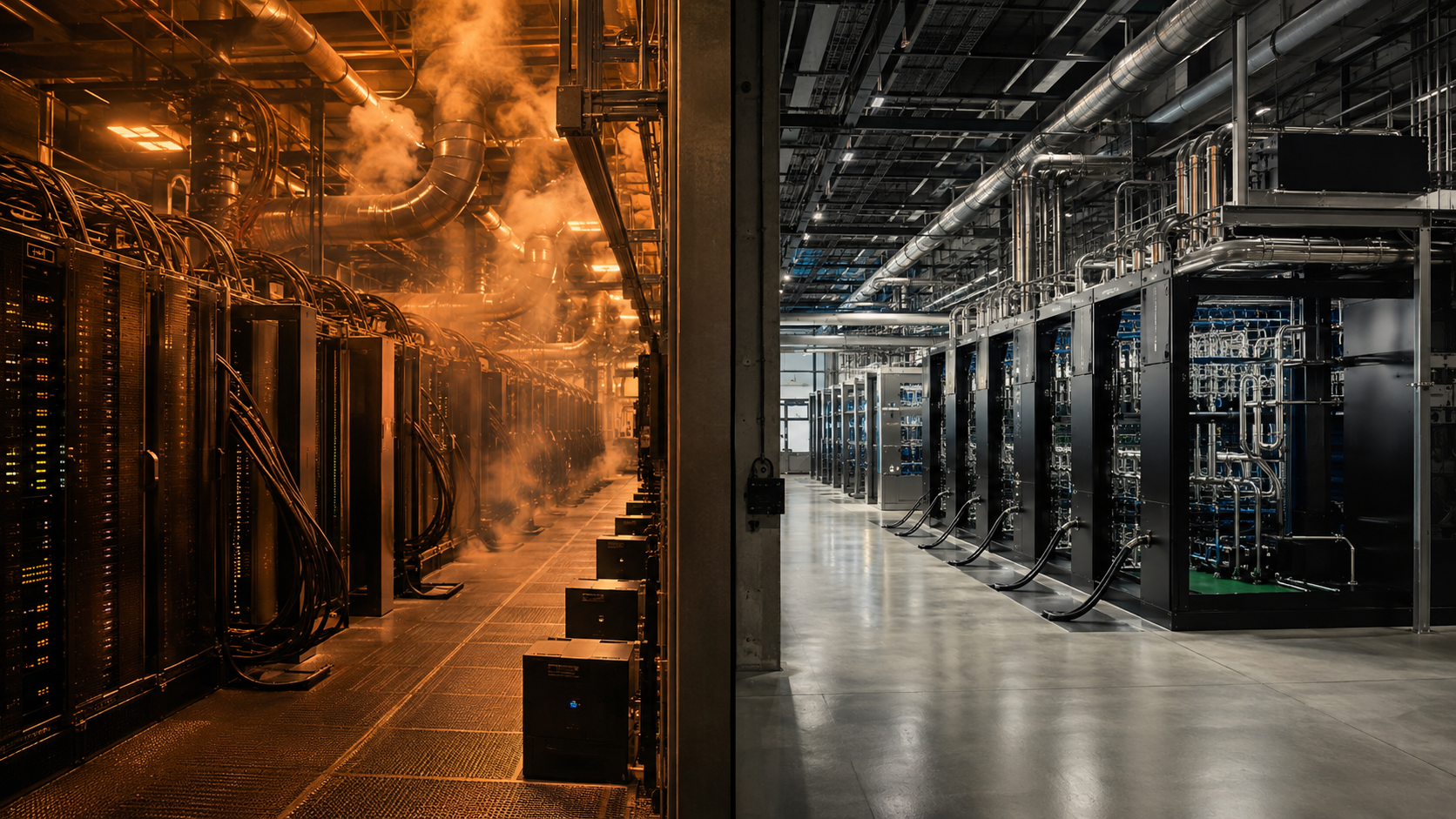
What Happens When AI Eliminates the Bottleneck That Protects Your Margins?
AI business model disruption may not arrive by making companies less efficient. It may arrive when AI helps eliminate the bottleneck that protects their margins—and exposes which capabilities remain valuable afterward.

AI Did Not Give Me More Ideas. It Stopped Existing Ones From Dying.
AI creates a resource paradox: it consumes scarce physical capacity while releasing scarce cognitive capacity. A personal experiment in project continuity shows how that released capacity can preserve and advance work that would otherwise decay.

Open Source Executive Briefing CW30: The AI Capacity Dividend
AI creates a capacity dividend: recovered time, attention, and decision velocity. The executive question is whether organizations consume it as more output or reinvest it in operating-model redesign.
Fund the successor
Serve today's constraint without making the enterprise dependent on it forever.
Name the scarcity
Identify which constraint currently protects margins or limits throughput — and make the dependency explicit.
Separate rent from capability
Determine which economics depend on the constraint surviving and which capabilities remain valuable if it weakens materially.
Fund the successor
Allocate capital and Capacity Dividend to options that could remove, relocate or supersede the current bottleneck.
QUESTIONS WORTH ANSWERING NOW
A bottleneck review should expose both today’s advantage and tomorrow’s dependency.
Do not stop at the constraint you can see today. Trace what protects value now, what AI could release, and what the organization will depend on next.
ECONOMIC PROTECTION
Name the bottleneck
Which constraint currently protects your economics, margin structure or competitive position?
CAPABILITY SHIFT
Identify what could weaken it
Which AI-enabled capability could make that constraint cheaper, faster or less defensible?
CAPACITY DIVIDEND
Quantify what gets released
What time, cognitive capacity, cost or organizational attention would become available?
BOTTLENECK MIGRATION
Find where scarcity moves next
Which new constraint becomes limiting once the current one loses force?
TRANSFERABLE VALUE
Protect what survives the move
Which capabilities, relationships, assets or forms of judgment remain valuable after the bottleneck shifts?
REINVESTMENT
Fund the successor before you need it
Are you reinvesting enough of the Capacity Dividend to build those capabilities before the market forces the transition?
Human Premium Enterprise
Abundant cognition creates options. Human judgment decides which constraints are worth removing next.
The Human Premium Enterprise does not treat recovered capacity as free output. It concentrates human judgment, trust, accountability and prioritization where the next bottleneck carries real consequence.
